5 Tips to Create Engaging Written Content
We live in a time where videos, visuals, and short-form content dominate almost every platform.
But here’s something many people overlook:
words still matter
Text is what slows people down. It’s what makes them think, save, and come back. If you know how to structure your written content, it can be just as powerful as a video, and sometimes even more.
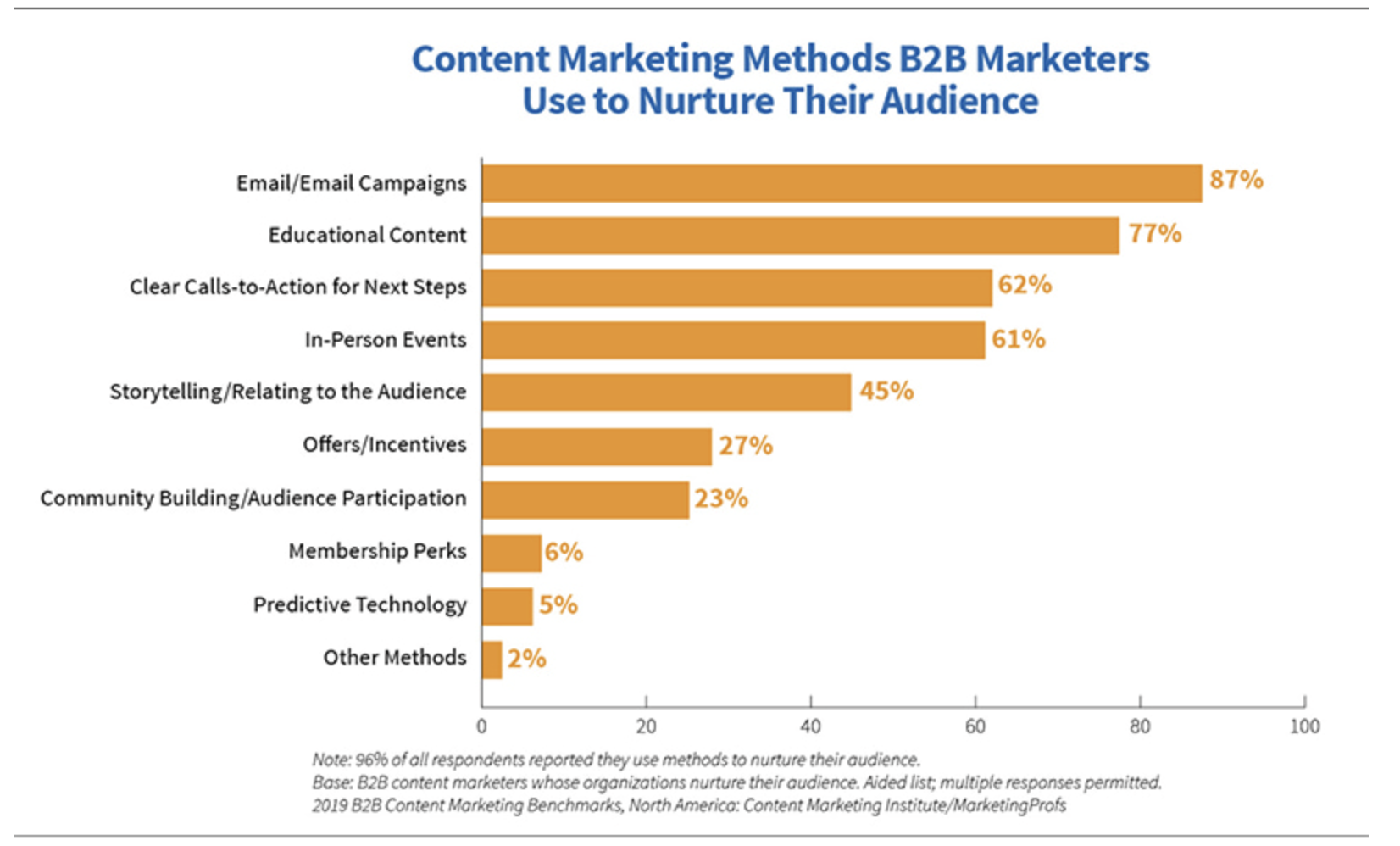
Here’s a simple 5-step checklist I use to make written content engaging, memorable, and useful.
1. Start by answering a question (this is your hook)
Every strong piece of written content starts with a question, something your audience is already wondering about.
Examples:
· How do luxury brands build loyalty beyond price?
· Why does this marketing strategy actually work?
· Why some brands feel premium and others don’t, even at the same price point
·
A question immediately gives your reader a reason to keep going.
It tells them: this is for you.
Why this works:
Questions activate curiosity. Your reader wants the answer—and your post promises to deliver it.
2. Open with a relatable truth to create connection
After the question, anchor the post in something familiar.
This could be:
· A behavior people recognize
· A common belief
· A reality of today’s market
This is where connection happens.
When people feel understood in the first sentence, they stay.
3. Answer the question using examples people already know
Now you move into the core of the content.
This is where you:
· Start answering the question
· Introduce a real example or reference
· Use brands, industries, or moments your audience recognizes
I often reference Formula 1, luxury brands, or well-known business cases because they give readers a shared context. You’re anchoring ideas in something familiar.
4. Strengthen the message with a visual or a highlighted phrase
To make your message stick, give it a visual anchor.
This could be:
· A simple chart or graphic
· A highlighted quote you wrote yourself
· A short, strong sentence that summarizes the idea
This is the moment where people stop scrolling.
It’s also the moment where they:
· Take a screenshot
· Save the post
· Forward it to someone else
5. Close with a takeaway that invites adaptation, not imitation
After sharing your expertise and examples, bring it back to reality.
This is where you remind your reader:
· Every industry is different
· Every business model is unique
· The goal isn’t copying, but adapting
Encourage them to think:
How does this apply to my brand, my audience, my market?
Written content doesn’t compete with video, it complements it. When done well, text creates clarity, depth, and trust.
If your words make people pause, reflect, and rethink how they show up in their business, then your content is doing its job.
